


Recent public discussions and media reports have sought to portray the Port of Freetown as a “cocaine corridor,” and, to an extent, smear it. While such claims may attract headlines, the facts paint a markedly different picture.
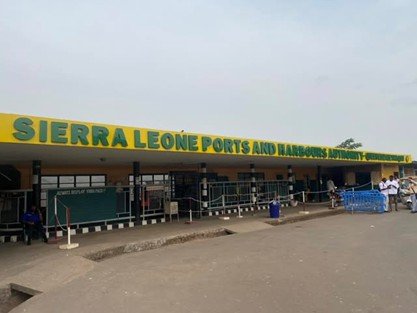
The Port of Freetown remains one of Sierra Leone’s most strategically secured gateways, where port authorities, security agencies, customs officials, and law enforcement institutions work collectively to detect, intercept, and prevent the entry of illegal substances and contraband into the country. At the Port of Freetown, where services are under concession and diverse stakeholders are playing their roles, collaborative efforts are the fuel of the engine.
It is no gainsaying that security at the Ports of Freetown is robust, with new measures being implemented every now and then. From training security personnel and boosting their morale to digitalising security systems, the Port of Freetown has shown how serious it is about the security of the ports and the country. With all the robust measures put in place, as well as morale boosters, available records of interceptions and seizures over the past several years demonstrate that the port’s security and inspection mechanisms are functioning and yielding tangible results.
Between 2023 and 2026, multiple consignments containing prohibited drugs, controlled substances, suspected narcotics, and other illicit materials have been intercepted during examinations conducted at the Port of Freetown. These include large quantities of Tramadol Hydrochloride, Tapentadol Hydrochloride, suspected Kush-related substances, precursor materials, dried leaves suspected to be narcotics, controlled chemicals, and other prohibited items. In each instance, exhibits were handed over to the Transnational Organized Crime Unit (TOCU) for further investigation and prosecution.
Among the notable interceptions were over 1,000 cartons of Tapentadol and Tramadol Hydrochloride seized from containers examined in March and May 2026. These substances, which have been associated with abuse and illegal trafficking networks across West Africa, were detected before reaching the market and subsequently handed over to TOCU.
In 2024, port examinations led to the discovery of suspected Kush-related materials, dried leaves, PCP-labelled substances, powders, and other suspicious items concealed in cargo shipments. Several of these cases involved substantial quantities that could have posed significant public health and security risks if they had gone undetected.
These interceptions are not evidence of a weak port system. On the contrary, they are evidence that inspection protocols, intelligence gathering, cargo examinations, and inter-agency collaboration are working as intended.
It is important to recognize that every major international seaport receives cargo from numerous jurisdictions across the globe. Criminal networks often attempt to exploit international supply chains to move illicit goods through legitimate trade routes. The true measure of a port’s effectiveness is therefore not whether traffickers attempt to use it, but whether authorities are able to identify, intercept, and stop such attempts. In theory and in practice, the Port of Freetown has consistently demonstrated this capability.
Every seizure represents a successful intervention that prevented dangerous substances from reaching communities, particularly young people who remain vulnerable to drug abuse and organized criminal networks. These actions contribute directly to national security, public health protection, maritime safety, and the broader fight against transnational organized crime.
The Sierra Leone Ports and Harbours Authority, working alongside security and law enforcement partners, remains committed to strengthening surveillance, enhancing cargo screening procedures, improving intelligence sharing, and supporting investigations aimed at disrupting illicit trafficking networks.
As Sierra Leone continues to position itself as a credible maritime and trading hub in the region, safeguarding the nation’s ports against criminal exploitation remains a top priority. The documented record of interceptions serves as evidence, not of a “corridor” for crime, but of a vigilant and proactive security architecture dedicated to protecting Sierra Leone’s maritime domain and national interests.
The facts are clear: when illegal substances have been discovered at the Port of Freetown, they have been intercepted, documented, and handed over to the appropriate law enforcement authorities. That is the hallmark of a functioning security system and a port committed to maintaining the integrity of international trade and maritime security.