

By Marian Magdalene Bangura Strategic Communication Unit – MOICE
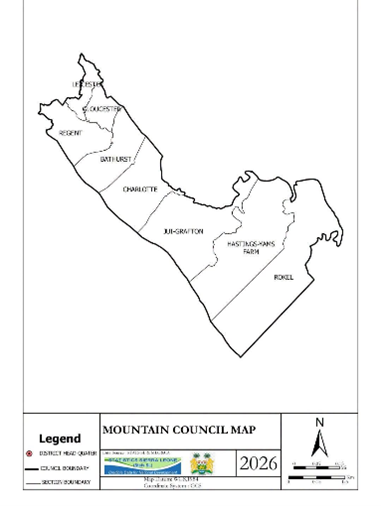
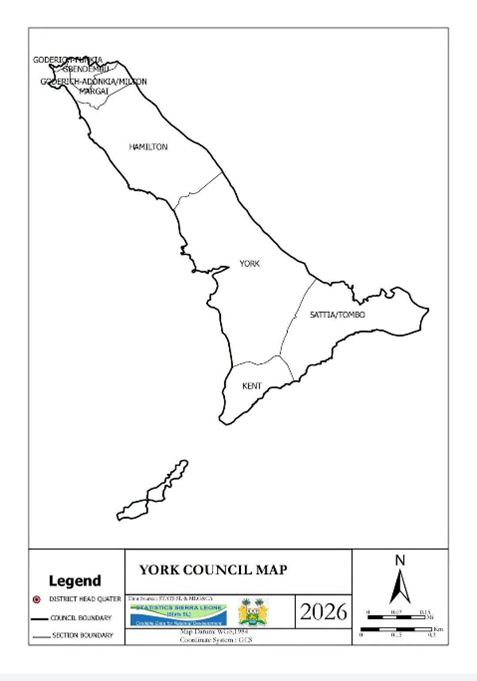
Waterloo, Tuesday, 20 October 2026 – The Government of Sierra Leone has unveiled maps outlining plans to establish three new rural councils in the Western Area: Waterloo Rural Council, Mountain Rural Council and York Rural Council. The proposed redistricting exercise aims to bring governance closer to communities.
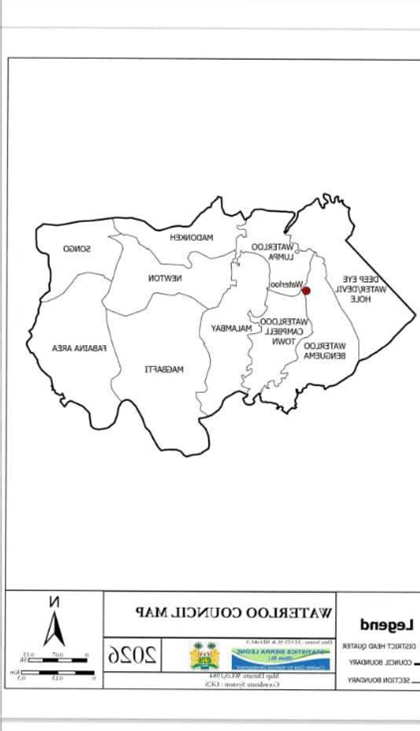
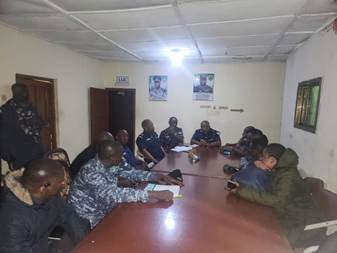
The Director of the Decentralisation Secretariat, Alex Bonapha Esq., presented the maps during the Civic Day Series at the Western Area Rural District Council (WARDC) Hall in Waterloo, where he spoke on the topic, “Redistricting and the Creation of New Localities.”
Organised by the Ministry of Information and Civic Education (MOICE) under the theme “Government at Your Doorstep,” the engagement brought government officials face-to-face with residents to explain the proposed changes and gather public feedback.
Mr Bonapha explained that the redistricting initiative seeks to improve service delivery, strengthen local governance and promote more equitable development. The maps outline the proposed boundaries, headquarters, wards and chiefdoms of the three councils.
The proposal responds to concerns about the size and population of the Western Area Rural District and the challenges of administering such a large area through a single council.
If approved and implemented, the proposed councils could improve access to local administration, enhance responsiveness and create more opportunities for communities to participate in decision-making.
Waterloo Community Welcomes Proposed Councils
The proposal received a positive response from members of the Waterloo community, with local representatives expressing optimism about its potential to improve development and service delivery across the district.
Speaking on behalf of the community, Councillor Mary Kargbo, Chairperson of the WARDC Social Welfare Committee, and Councillor Marie Kamara Coker welcomed and commended the initiative, highlighting its potential to create greater development opportunities, particularly for women and other underserved groups.
The councillors stressed that establishing the proposed councils could strengthen the relationship between government and citizens by improving access to local authorities and bringing decision-making closer to the people.
They also highlighted the potential for more balanced resource allocation, improved community development and increased access to public facilities and essential services.
They expressed hope that the proposed changes would create broader opportunities for women to participate in local governance, economic activities and development programmes.
Their reactions reflected the community’s expectation that a more decentralised administrative structure could promote greater inclusion, strengthen accountability and ensure that local priorities receive more attention in development planning.
Government and Stakeholders Engage Residents
The event was hosted by the Minister of Information and Civic Education, Hon. Chernor Bah.
Panellists included the Minister of Local Government, Amb. Tamba Lamina; the Director of Communication and Public Relations at Statistics Sierra Leone, Samuel Ansumana; the Minister of State for the Western Region, Adekunle King; the WARDC Chairman, Kasho J Holland-Cole; and local councillors.
The engagement provided residents, traditional leaders and other stakeholders with an opportunity to examine the proposed maps, seek clarification and share their views on the planned restructuring.
Census Data Critical to Local Development
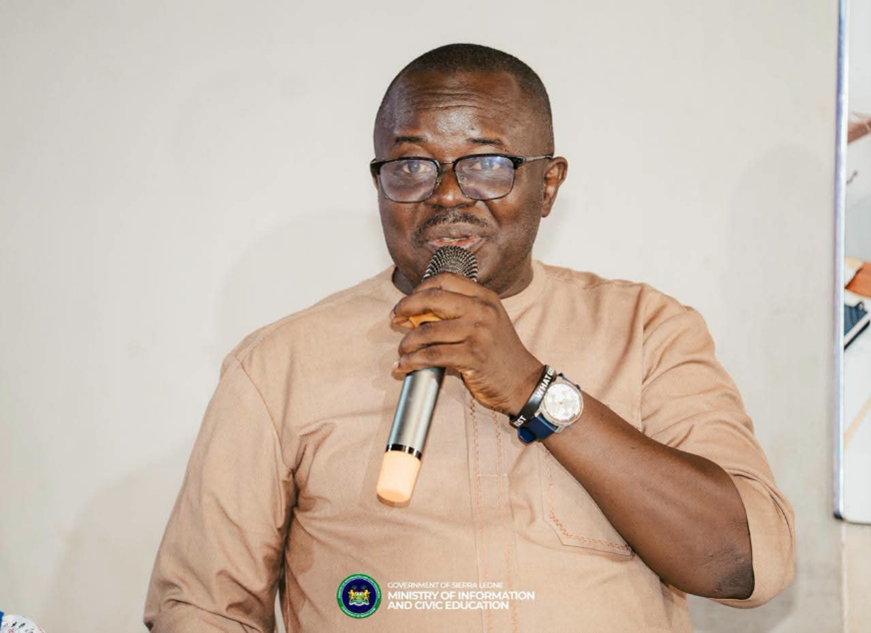
Discussions also focused on the upcoming 2026 Population and Housing Census, with government officials and development partners emphasising the importance of accurate population data for effective planning, resource allocation and public service delivery.
Reliable census data will be essential for identifying community needs and informing development priorities as the proposed new localities progress through the relevant approval processes.
The unveiling marks a significant step in public engagement on the proposed restructuring of local governance in the Western Area.
Although the councils remain proposals, the positive response in Waterloo signals strong community interest in an administrative system that promises greater accessibility, more inclusive development and a closer relationship between government and citizens.