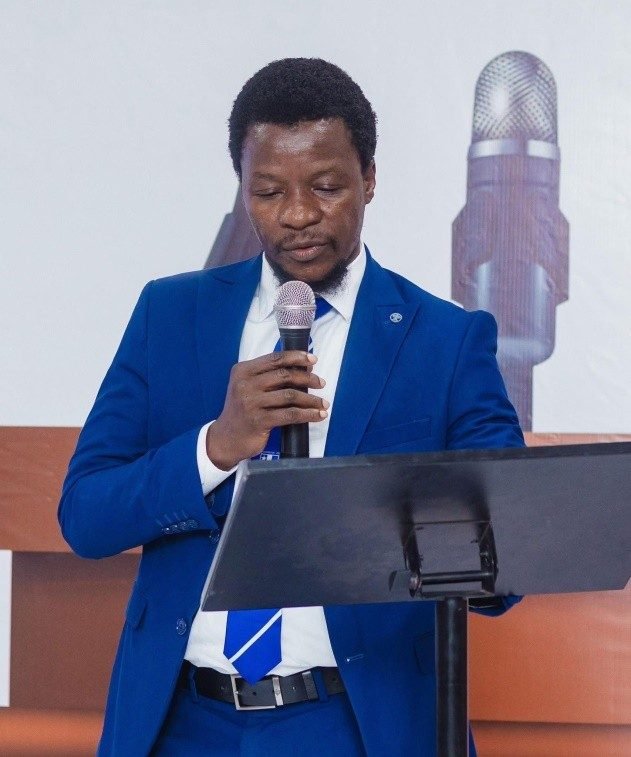


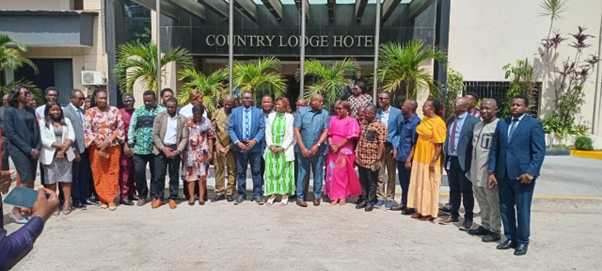
The Ministry of Planning and Economic Development (MoPED) on Thursday, 21st May 2026, commenced a two-day Public Investment Management–Technical Investment Committee (TIC) inaugural meeting at Country Lodge Hotel, Hill Station in Freetown.
In her keynote address, the Minister of Planning and Economic Development, Madam Kenyeh Barlay, stated that Sierra Leone has made significant progress in strengthening public sector governance and that the country is moving in the right direction. She emphasized that “it is no longer business as usual.”
She noted that despite progress, the country continues to face fiscal constraints, including a shrinking fiscal space, debt distress, limited domestic resources, and challenges related to restoring budget credibility.
Madam Barlay explained that MoPED is aligning its programmes with the Medium-Term National Development Plan while working closely with the World Bank and the International Monetary Fund to establish and enforce technical guidelines for the implementation of new public projects based on available financing.
She further highlighted ongoing reforms aimed at improving efficiency, transparency, and accountability in public investment management, stressing that MoPED serves as the central coordinating institution to ensure effective project implementation.
The Minister also acknowledged the Ministry of Finance for its technical support in addressing wasteful spending and stalled projects, and called for the establishment of stronger standards to guide the execution of public investment projects.
In his remarks, the Development Secretary, Mr. Ambrose James, stated that the Public Investment Management process began in 2024 and that its successful implementation would be in the national interest. He underscored the importance of addressing legal and technical issues to move the process forward, noting that the committee is working with the World Bank on priority sectors including water, electricity, and roads.
He further stressed the need to rationalize public investment projects through processes of review, continuation, restructuring, or termination, depending on their viability and impact.
Also speaking, the Financial Secretary at the Ministry of Finance, Mr. Matthew Dingie, highlighted persistent challenges in budget execution and the implementation of capital projects, particularly in infrastructure sectors such as roads, water, and energy.
He noted that while donor-funded projects have recorded some success, challenges remain, including mid-year project introductions and delays in fund disbursement, which often lead to cost escalations. He urged stakeholders to ensure timely implementation and to rely on empirical evidence and sound analysis in project approval and execution.
Mr. Dingie further emphasized the importance of prioritizing economically viable projects and encouraged greater consideration of private sector participation, particularly in infrastructure development with clear revenue streams.
The meeting featured presentations on the Medium-Term National Development Plan, the Public Investment Programme, and regulatory frameworks for public investment management, delivered by senior officials from MoPED and the Ministry of Finance.