

By Mariama Bundu
As Sierra Leone marks World Environment Day 2026, the Guma Valley Water Company (GVWC) has raised serious concerns over increasing environmental degradation affecting key water catchment areas in the Western Area.
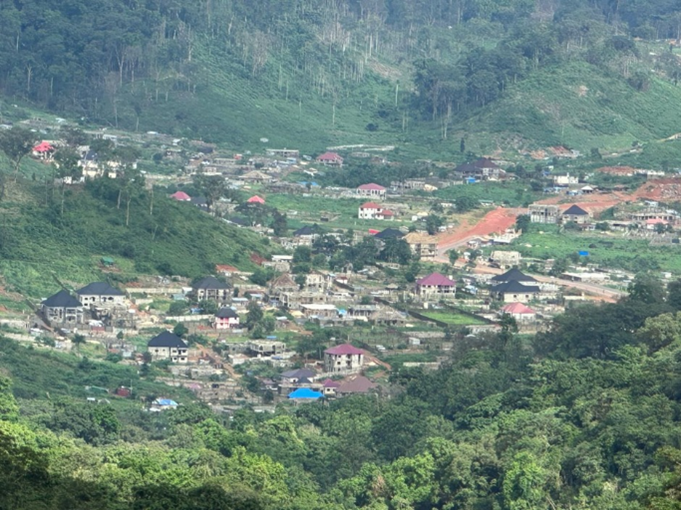
In a statement themed “No Catchments, No Water: Securing Western Area’s Future Water Security”, GVWC warned that deforestation, encroachment, and unregulated settlements are placing major pressure on critical water sources that supply Freetown and surrounding communities.
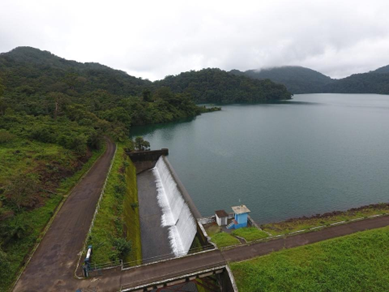
The company noted that a recent assessment conducted between December 2025 and January 2026 revealed widespread environmental damage in several catchment areas, including Guma Dam, Kongo Dam, Mile 13, Baw Baw, No. 2 River, Tacugama, and other surrounding communities.
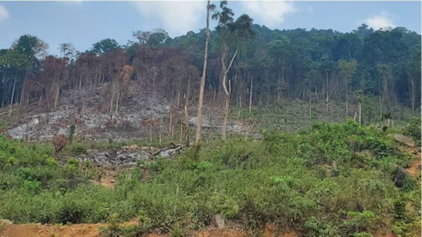
It further reported that some smaller catchments, such as Charlotte Weir, have ceased functioning due to severe deforestation, while others including Angola Upper and Lower Weirs, Mamba Ridge, Hastings, Thunder Hill, White Water (Botanical Garden FBC), and Blue Water (Wellington) are increasingly under threat.
GVWC also expressed concern over bacteriological contamination detected in some water sources, attributing it to human activity and poor sanitation near catchment areas. The company warned that this could increase treatment costs and pose public health risks.
According to the statement, continued degradation of catchment areas could lead to reduced water availability, poor water quality, flooding, sedimentation, biodiversity loss, and reduced climate resilience.
The utility stressed that protecting catchments is essential for ensuring long-term water security, public health, and national development.
GVWC called for stronger enforcement of environmental laws, an end to illegal encroachment, and increased collaboration between government institutions, communities, and development partners.
It also urged communities living around catchment areas to support conservation efforts through tree planting, sustainable farming practices, and proper waste management.
The company further appealed for investment in reforestation, watershed restoration, and climate-resilient water infrastructure.
GVWC concluded that securing water for the Western Area depends on protecting the forests and catchment areas that feed the region’s water systems, warning that “the cost of losing them is far too great.”