

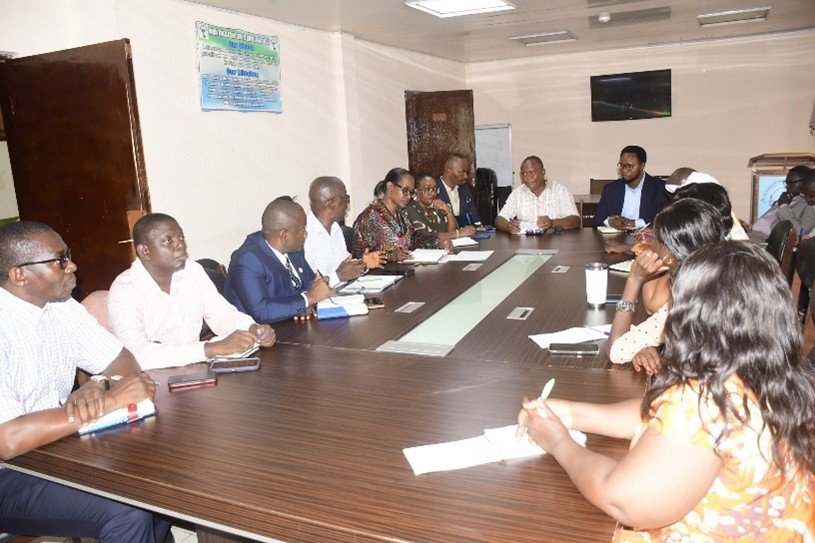
The Human Rights Commission of Sierra Leone on 20 April 2026 hosted the UNAIDS Regional Director for West and Central Africa, Susan Muwanse Kasedde, along with a delegation from the National AIDS Secretariat, at its headquarters in Tower Hill.
The visit aimed to explore ways the institutions can strengthen collaboration in addressing human rights issues affecting the national response to HIV.
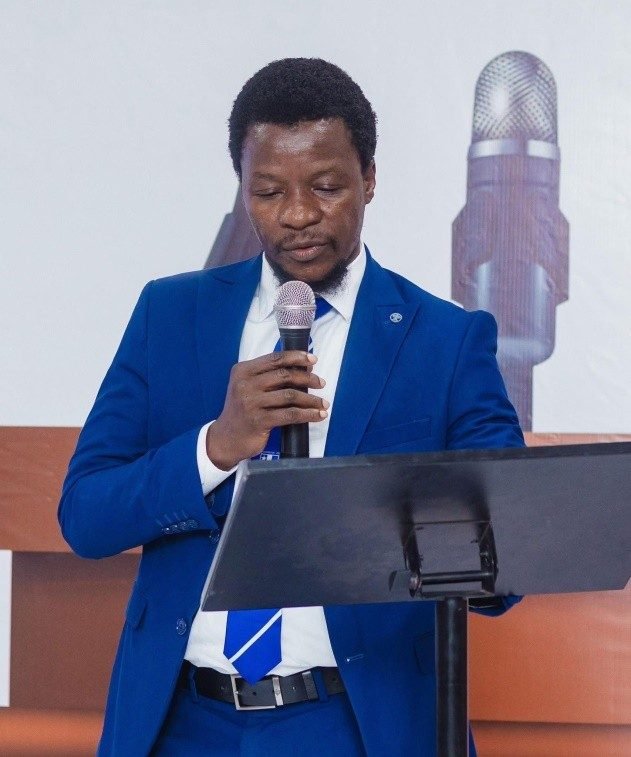
Discussions were led by the Deputy Executive Secretary of the Commission, Fredrick Ibrahim Kamara, alongside directors and deputy directors. In his remarks, Kamara welcomed the delegation and expressed appreciation for the visit, reaffirming the Commission’s commitment to advancing and protecting human rights, particularly for vulnerable groups.
He highlighted the Commission’s mandate and noted its status as a Grade ‘A’ national human rights institution, fully compliant with the Paris Principles, which guide the establishment and functioning of such bodies.
Director-General of the National AIDS Secretariat, Abdul Rahman Sesay, emphasized the ongoing collaboration between the two institutions in safeguarding the rights of people living with HIV and other vulnerable populations. He referenced recent joint initiatives, including mobile complaint hearings conducted in Makeni and Bo.
Speaking during the meeting, Kasedde thanked the Commission for its warm reception and commended its longstanding efforts in promoting and protecting human rights. She underscored that HIV affects all aspects of life and stressed the importance of ensuring that the rights of those living with the condition are fully protected.
She further noted that for over three decades, UNAIDS has worked globally to bring governments and communities together to deepen understanding of HIV and translate lessons learned into effective partnerships, resilient systems, and sustainable programs that respond to community needs.
The meeting concluded with both institutions reaffirming their commitment to strengthening cooperation and adopting a more robust, human rights-based approach to the HIV response in Sierra Leone.