

By Mariama Bundu
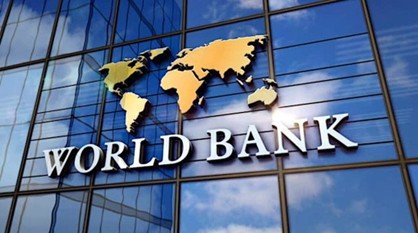
The World Bank Group has approved a $40 million grant to support agricultural development and job creation in Sierra Leone.
The funding, provided through the International Development Association (IDA), will finance the Sustainable Agricultural Value-chains Intensification for Growth (SAVIG) project. The initiative aims to improve agricultural productivity, attract private investment, and create employment opportunities across selected agricultural value chains.
Agriculture remains one of Sierra Leone’s most important sectors, employing the majority of the rural population. However, challenges such as low productivity, limited access to markets and inputs, and weak institutional support continue to affect the sector’s growth.
Speaking on the approval, World Bank Country Manager for Sierra Leone, Abdu Muwonge, said the project would help address unemployment and food insecurity while unlocking the country’s agricultural potential.
He noted that strengthening agricultural value chains would improve the livelihoods of farming households and contribute to a more resilient and diversified economy.
The project will support investments in production, processing, post-harvest handling, and market access. It will also encourage greater private sector participation through improved access to finance and digital agriculture solutions.
World Bank Lead Agricultural Specialist, Vinay Kumar Vutukuru, said the project adopts a comprehensive approach by investing in the entire agricultural value chain, from production to marketing.
Job creation is a key objective of the initiative. According to the World Bank, Sierra Leone currently creates about 41,000 jobs annually, below the estimated 75,000 jobs needed each year to meet growing demand.
The SAVIG project is expected to support the Government’s Feed Salone Strategy, which aims to create at least 35,000 formal jobs in the agriculture sector. The project will particularly benefit smallholder farmers, agribusinesses, women, and young people engaged in agricultural activities.
The World Bank expects the initiative to contribute significantly to food security, increased incomes, and sustainable economic growth across Sierra Leone.