

By Lemuella Tarawallie
Prison Watch Sierra Leone has officially launched its report titled Precarious Paths, calling for urgent reforms in the country’s justice and correctional systems, with a strong focus on the plight of young people.
Launching the report, the Deputy Minister of Justice, Madam Saptieu Saccoh, urged stakeholders, donors, civil society actors, and government officials to listen more closely to the voices of young people.
She noted that policies affecting youth are often developed without directly engaging them. According to her, there is a growing disconnect between policymakers and the lived realities of young people, many of whom face loss, displacement, and limited opportunities.
The report highlights three key demands from young people: livelihood, guidance, and voice. Madam Saccoh explained that young people want secure employment opportunities, access to mentorship and care from elders, and inclusion in decision-making processes that affect their lives.
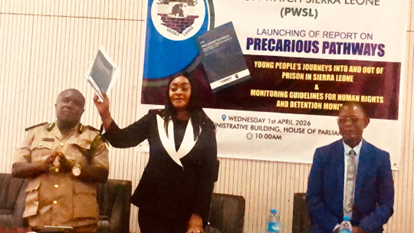
She reaffirmed the Ministry of Justice’s commitment to reform. She stated that the ministry will work with the judiciary to ensure sentencing guidelines are more human-centered and sensitive to individual circumstances. She added that efforts will be strengthened to guarantee that individuals in conflict with the law have access to legal representation before sentencing.
Madam Saccoh also emphasized plans to incorporate mentorship and guidance programs into correctional reforms, with the aim of transforming prisons into true rehabilitation centers. She stressed that a “wrong place at the wrong time” arrest should not destroy a young person’s future, and that the youth of Sierra Leone should be seen as a resource to be nurtured through education and opportunity, not a problem to be locked away.
Director of Prisons, Joseph T. Senessie, described the report as a true reflection of realities on the ground. He highlighted the challenges faced by correctional facilities, including overcrowding and limited resources. According to him, the prison population currently exceeds 6,000 inmates, placing immense pressure on available facilities and services.
He noted that many inmates struggle to meet basic needs such as food and toiletries, often relying on personal means or support from relatives. He emphasized that prisons are not meant for suffering but should serve as institutions for correction and rehabilitation.
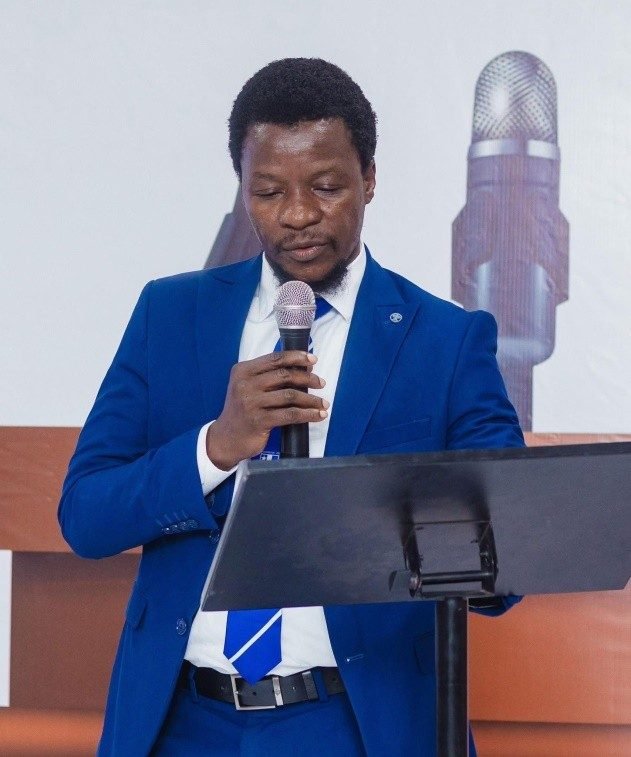
Honourable Brima Mansaray, speaking on behalf of the Parliamentary Oversight Committee on Human Rights, described the event as significant in shedding light on conditions within correctional centers. He stated that members of the committee have visited several prisons across the country and are aware of the challenges faced by inmates.
He stressed that many prisoners are young people who represent the future of the country, yet their circumstances are often shaped by poverty, lack of opportunity, and weak legal protections. He called for stronger laws to protect vulnerable citizens, particularly those who fall into conflict with the law due to economic hardship.
Honourable Mansaray further noted inconsistencies between the Criminal Procedure Act and the Prison Act, calling for a review to address existing gaps and improve the justice system.
Patrick Fatorma, Outreach Officer at the Special Court, also raised concerns about the treatment of juveniles and vulnerable individuals within the justice system. He emphasized that children who should be under the care of the Ministry of Social Welfare are sometimes held in correctional facilities, a situation he described as unacceptable.
He called for greater advocacy and enforcement of human rights standards, stressing that not all individuals associated with prisoners should be subjected to prison conditions.
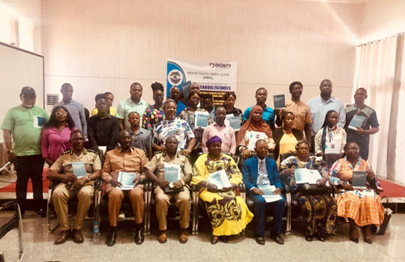
The report launch concluded with a collective call for action, urging the government and stakeholders to address the structural issues affecting the justice system. Speakers emphasized the need for reforms that prioritize human dignity, rehabilitation, and opportunities for reintegration into society.
Prison Watch Sierra Leone and its partners were commended for their efforts in highlighting critical gaps within the system. Stakeholders agreed that the findings of the report should serve as a roadmap for meaningful reform.