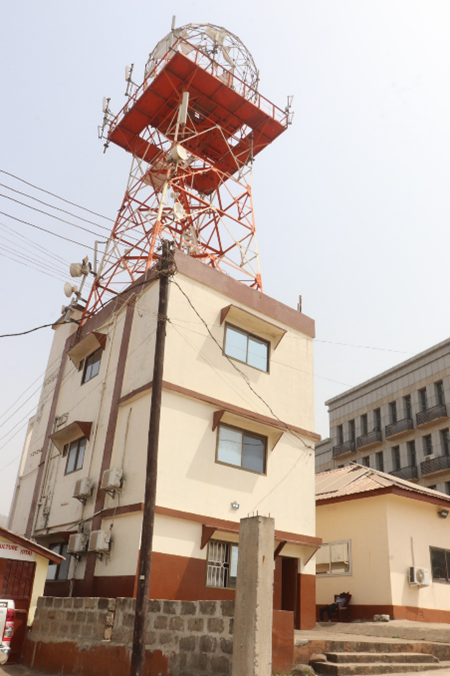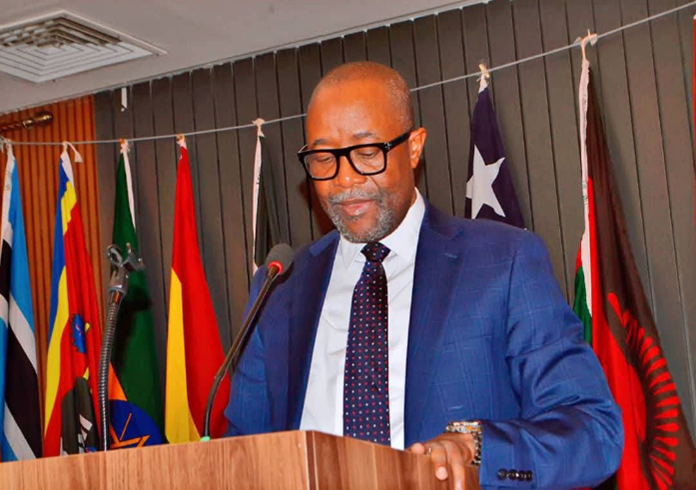


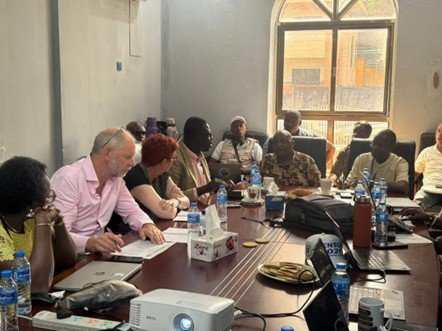
Statistics Sierra Leone (Stats SL) has concluded its Pilot Population and Housing Census and held a high-level briefing with international Independent Monitors to review findings in preparation for the 2026 national census. The session took place at the Stats SL Conference Hall at Kona Lodge.
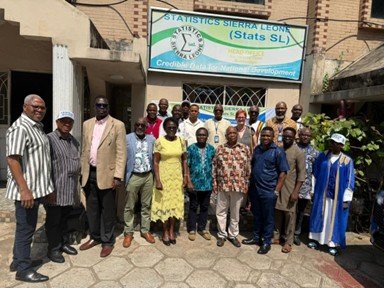
The meeting brought together representatives from the United Nations Population Fund (UNFPA), UNECA, the Mano River Union, and the UK Office for National Statistics, alongside Stats SL senior management. Discussions focused on observations, risks, and recommendations from the pilot census exercise.
Opening the session, Statistician General Andrew Bob Johnny emphasized the importance of the feedback, noting it provides Stats SL with a full year to address challenges before the main census. Key recommendations highlighted included shortening the census questionnaire, strengthening stakeholder engagement, and transitioning fully to digital Computer-Assisted Personal Interviewing (CAPI).
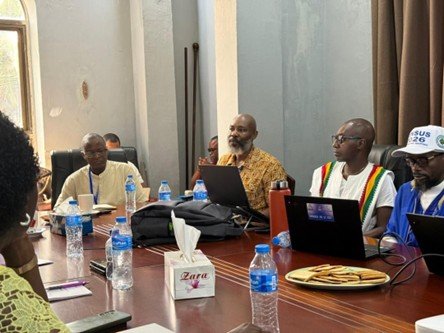
National Census Coordinator Abdulai Salia Brima reported that the census preparations remain on track, with improvements in public acceptance and CAPI performance since Sierra Leone’s first digital census in 2021. Independent monitors praised the enthusiasm of field staff and local authorities and commended the diversity of pilot areas, while noting risks such as limited operational data use, a projected USD 13 million funding gap, and potential strain from concurrent surveys.
Stats SL will respond to the monitors’ recommendations with action plans, revised census tools, and training workshops to ensure a credible and inclusive census. Deputy Statistician General Lansana Kanneh thanked the international partners for their support, reaffirming the association’s commitment to transparency, national ownership, and best practices.
The pilot census exercise is expected to strengthen preparations and ensure a high-quality 2026 Population and Housing Census.