

Chief Minister Dr. David Moinina held a strategic meeting with executive members of the Mamie Queens to strengthen collaboration between traditional women leaders and government institutions, reinforcing Sierra Leone’s commitment to inclusive governance and national development.
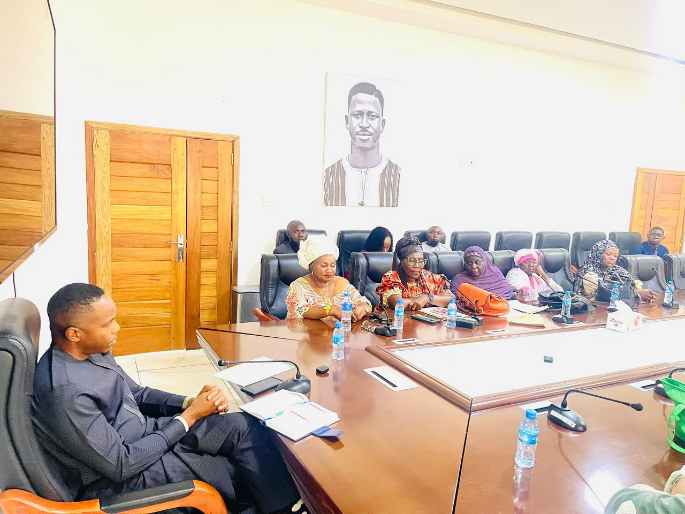
The meeting brought together the National Secretary General, Madam Mamawa Kaikai, the President, Madam Tiwa Kaifala Kaimachainde, and representatives from across the country. Discussions focused on enhancing leadership skills, promoting collective advocacy on women’s issues, and improving coordination between traditional leaders and formal state institutions.
In his remarks, the Chief Minister commended the Mamie Queens for expanding from Kono District to over 300 members nationwide and encouraged them to remain united and committed to institutional growth. “You are building an institution that is bigger than all of you,” he said.
He urged the Mamie Queens to deepen engagement with key ministries, including Gender and Children’s Affairs and Local Government and Community Affairs, as well as international partners such as UN Women and UNDP, to expand development opportunities for women at the grassroots level.
Madam Mamawa Kaikai expressed gratitude to the Chief Minister for supporting the group, highlighting travel opportunities facilitated for members. Madam Tiwa Kaifala Kaimachainde outlined the theme of their upcoming conference: “Empowering the Mamie Queens and Women Chiefs for Effective Participation in Governance and Community Development in Sierra Leone.”
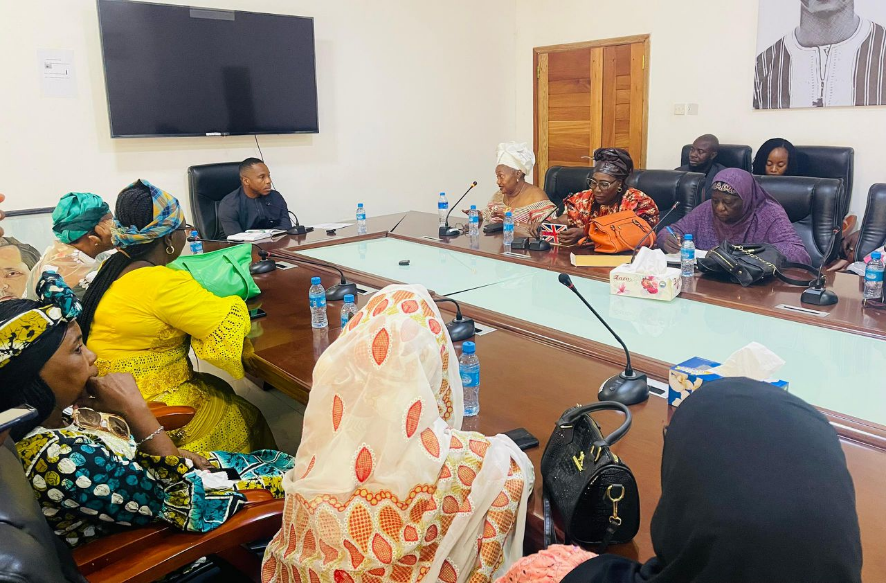
The engagement aligns with the Government’s “Big Five Game Changers” agenda, emphasizing women’s empowerment, governance reform, and inclusive community participation. Chief Minister Dr. Moinina reiterated Sierra Leone’s long-term vision of becoming an inclusive, green, middle-income country by 2035, noting the vital role of women leaders in achieving this goal.
The meeting concluded with a commitment to sustained partnership, structured engagement, and collective action to ensure traditional women leaders play a central role in national development.