


Deputy Controller Pays Fines, Calls for Mercy
By Ishmail Saidu Kanu
According to the Justice Sector Half Yearly Report for January – June 2025, which assesses the performance of ten core justice institutions under the national Justice Sector Reform Strategy (JSRS) 2024-2030, the Sierra Leone Correctional Service (SLCS) continues to face major challenges even as reforms advance.
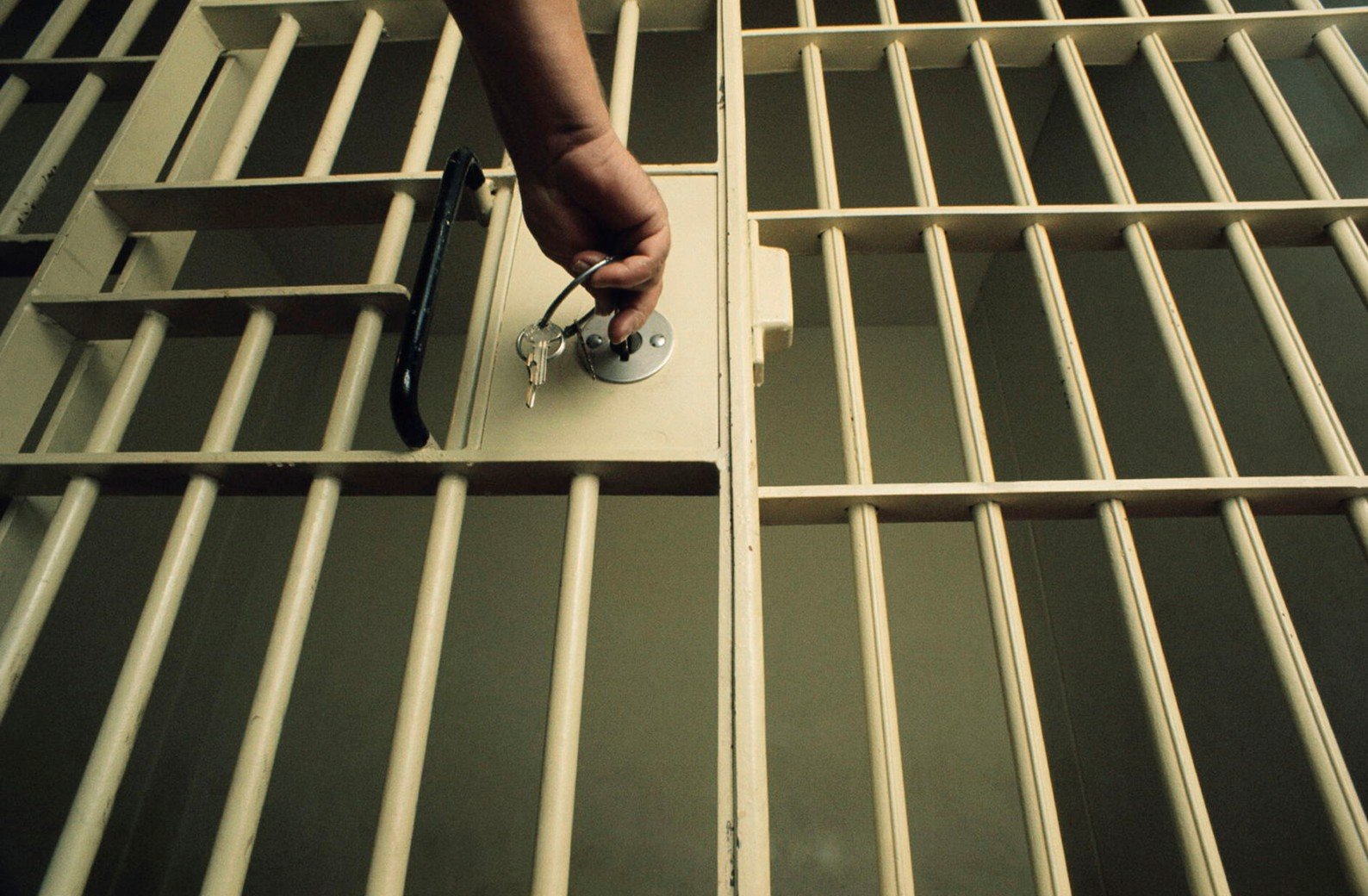
Deputy Controller General Susan B. Koker, on March 1st, 2025, visited the Pujehun Correctional Center, personally covering fines to secure the release of some inmates and donating food supplies. She stressed professionalism and neutrality among correctional officers while advocating for second chances and rehabilitation.
Her visit comes as the Sierra Leone Correctional Service (SLCS) continues to grapple with huge challenges, including overcrowded facilities, poor living conditions for inmates, and inadequate working conditions for officers. Delays in incentive payments and limited access to training and scholarships further hinder staff development, while chronic funding delays impact essential inmate welfare and rehabilitation programs.
The Justice Sector Half Yearly Report for January–June 2025 provides a comprehensive review of activities and challenges faced by ten core justice institutions, including the SLCS. The report assesses performance against the Justice Sector Reform Strategy (JSRS) 2024–2030 and highlights ongoing efforts to improve access to justice, strengthen institutional capacity, and enhance overall efficiency.
As of the first quarter of 2025, the national inmate population stood at 6,074, including 1,910 remanded inmates, 3,081 convicted individuals, 1,062 awaiting trial, 12 in safe custody in the Western Area, and 9 awaiting judgment. To address overcrowding, SLCS is actively in the hunt for funding for infrastructure upgrades and program improvements.
Human rights practitioners from Prison Watch Sierra Leone and Uganda inspected the Male and Female Correctional Centers in Freetown on April 2nd, 2025. While they noted progress in literacy classrooms, bakery, and carpentry workshops, concerns were raised over delays in trials and gaps in legal documentation. SLCS officials confirmed ongoing reforms to safeguard inmates’ rights.
In a bid to modernize operations, SLCS is partnering with the Canadian Academic and Industrial Network (CAAIN) to develop a digital inmate records management system aimed at streamlining data management and improving case tracking.
Infrastructure development also remains a priority. Construction continues on a new three-story administrative headquarters, initiated in 2023 under former Director-General Brig. Gen. Sahr D. Nguajah and now overseen by current Director General Joseph John Senessie.
Furthermore, SLCS moved to the second stage of its 2025 recruitment process in July, with entrance exams held at designated centers in Freetown. This recruitment drive aims to strengthen the service’s workforce and improve service delivery through fair and merit-based selection.
To push its mission of protecting society and transforming lives, SLCS has recommended expanding rehabilitation programs, improving officer welfare, and ensuring timely funding for key activities.