

By Ishmail Saidu Kanu
Millions of dollars in potential public revenue are being lost annually due to the way major government contracts are awarded and managed in Sierra Leone, according to a new report by the Institute for Governance Reform (IGR).
The report, titled “‘Di hade’ pa di case’2: Politics and Revenue Failures in Sierra Leone”, links the country’s persistent poverty to political influence and weak oversight in public procurement, chiefly in large-scale revenue-generating contracts.
Drawing on data from about 3,400 state contracts and interviews with current and former public officials from both the Sierra Leone People’s Party (SLPP) and the All People’s Congress (APC), the report finds that the state often derives little or no benefit from lucrative agreements due to strategies employed by powerful business elites.
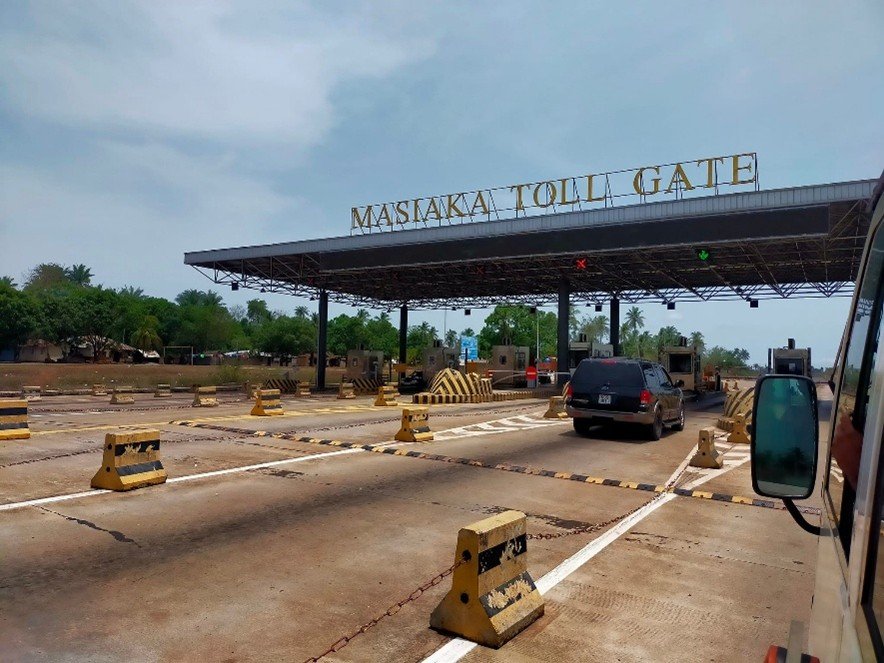
IGR analysed two major contracts between 2016 and 2023; the Wellington–Masiaka Toll Road concession and the national e-passport contract.
The study notes that although the SLPP campaigned in 2018 on promises of prudent economic management and a review of the toll road deal, the contract was left unchanged after the party assumed office.
According to the report, the Wellington–Masiaka toll road raises an average of 21 million US dollars each year, amounting to an estimated 172 million dollars over nine years, yet only about 1 million dollars has reportedly been paid to the National Revenue Authority.
The report points out weak parliamentary and audit oversight, lack of transparency in toll data, and a concession structure that allows the private operator to earn revenues long after recovering its investment.
On the e-passport contract, IGR estimates that between 7 and 9 million US dollars is generated annually from passport sales, but found no evidence of royalties being paid into the government’s consolidated revenue fund.
It also notes that at 100 to 180 US dollars, Sierra Leone’s e-passport is among the most expensive in West Africa and has been renewed several times without competitive bidding.
The report concludes that revenue losses in public procurement have become institutionalised across political administrations and calls for stronger transparency, tougher economic governance reforms, and greater collaboration between civil society and the media to hold both public officials and business interests accountable.